
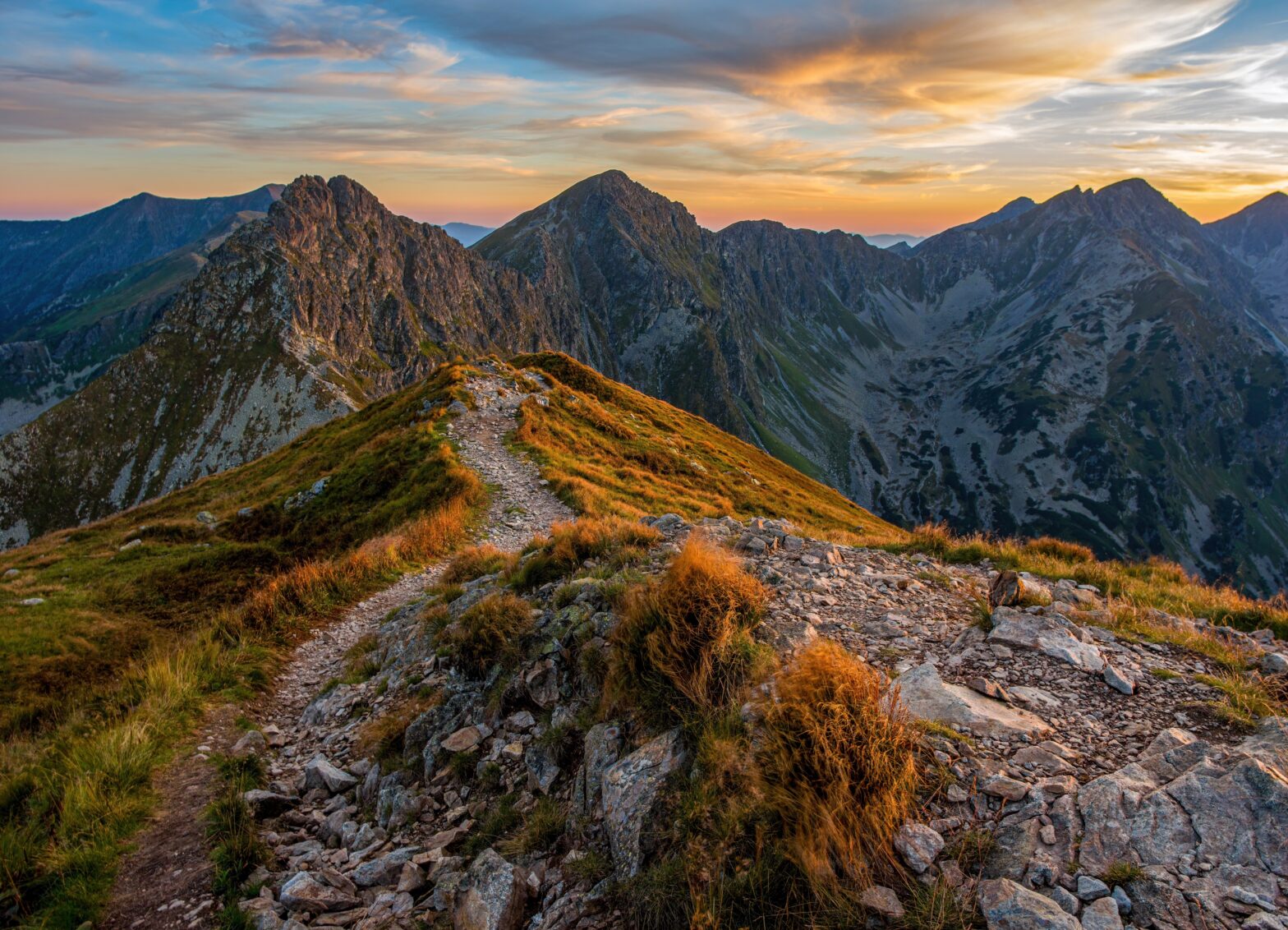
About the region Geography: Podkarpackie (the Subcarpathian region) lies on the eastern border of the EU, sharing borders with Ukraine and Slovakia, in the northeastern outer part of the Carpathian Mountains. Mountains make up 46% of the region’s total area. Podkarpackie is home to outstanding ecosystems, including virgin forests and grasslands, which are biodiversity hotspots… Continue reading Subcarpathian region, Poland
Regional Replicators
Primorje-Gorski Kotar, Croatia
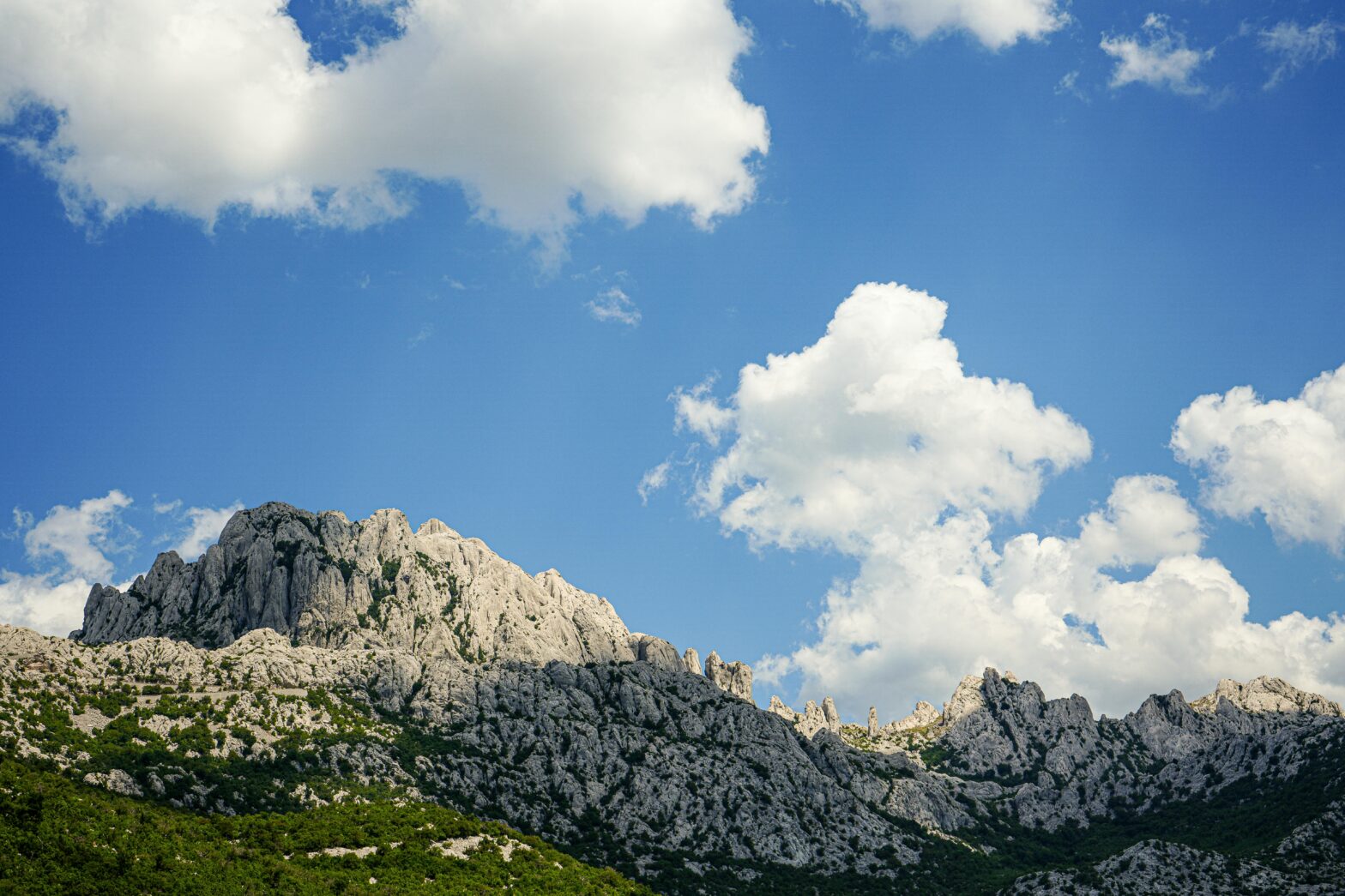
About the region Geography: Primorje-Gorski Kotar is Croatia’s sixth-largest county, made up of three distinct microregions: the coastal zone, the Kvarner Islands and the mountainous area of Gorski Kotar. MountResilience focuses mainly on Gorski Kotar, one of Croatia’s most forested and least densely populated areas, characterised by dense forests and karst terrain. The area depends… Continue reading Primorje-Gorski Kotar, Croatia
Friuli Venezia Giulia, Italy
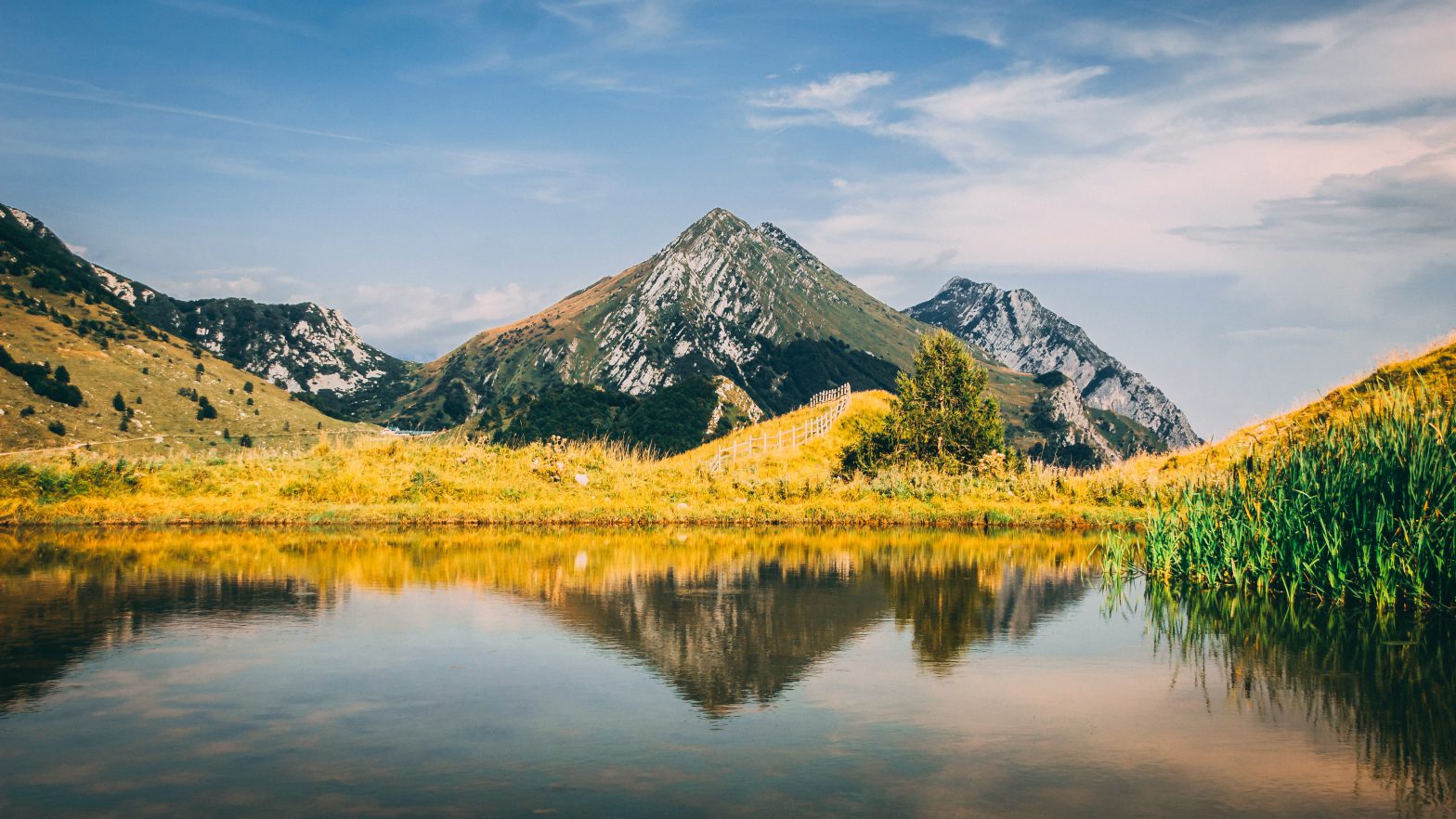
About the region Geography: Friuli Venezia Giulia, in northeastern Italy, has a highly diverse landscape of coastline, lagoons, plains, hills and an extensive Alpine area. The region covers around 7,924 km², 43% of which is mountainous. Of its roughly 1.2 million inhabitants, only 5.2% live in mountain municipalities, which have seen progressive depopulation in recent… Continue reading Friuli Venezia Giulia, Italy
Catalonia, Spain
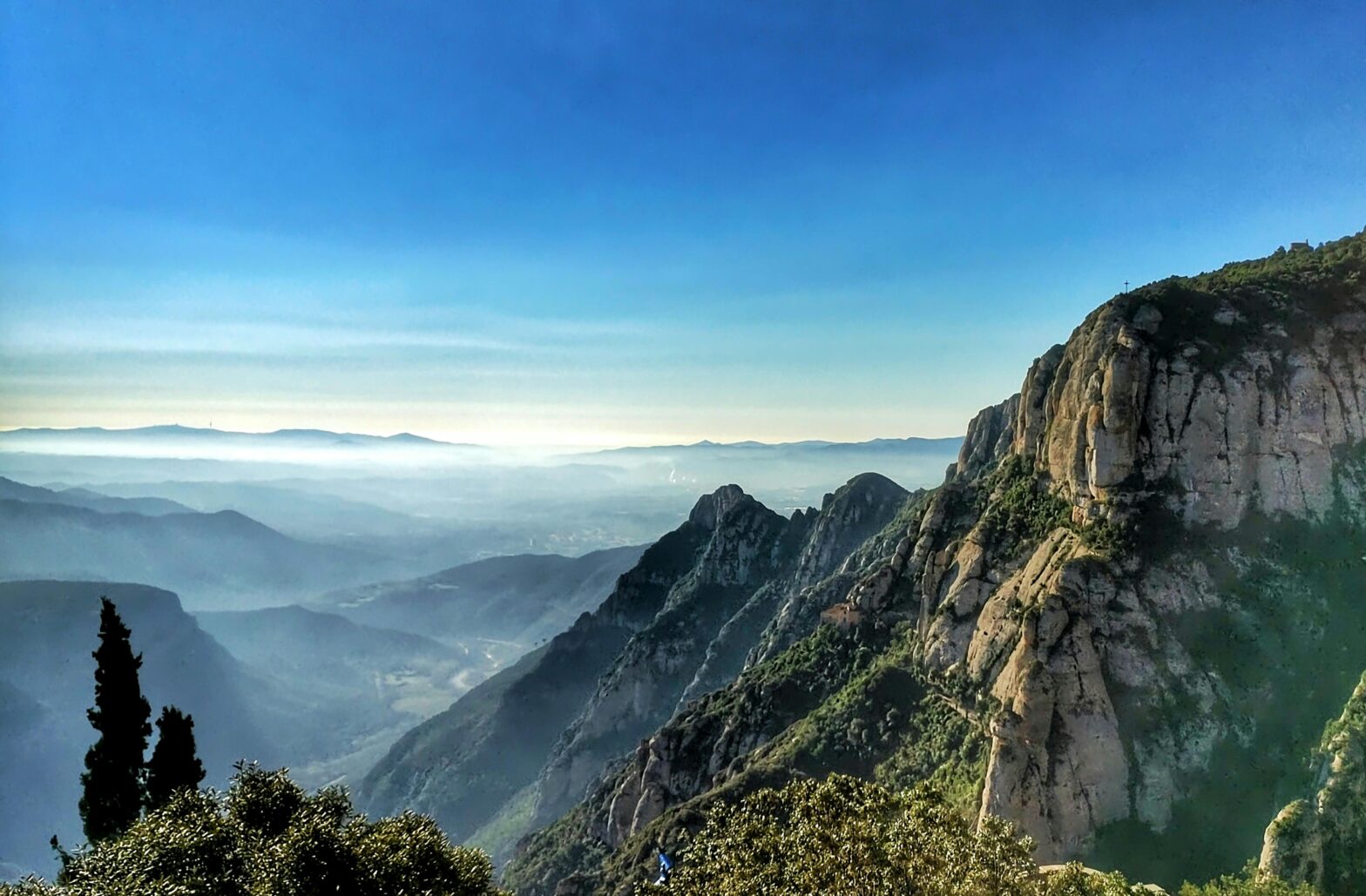
About the region Geography: The Catalan Pyrenees stretch around 250 kilometres across northern Catalonia, shifting from high alpine terrain in the west to Mediterranean foothills in the east. The landscape is shaped by glacial valleys, such as the Atlantic-facing Vall d’Aran, and more than 200 high-mountain lakes within Aigüestortes National Park. Key sectors: Services, tourism… Continue reading Catalonia, Spain


